Fiber optic cables form the basis of modern, high-speed digital networks. However, working with this technology requires more precision and care than with traditional copper cables. This is because mistakes during installation or maintenance can have long-term consequences for both network performance and infrastructure longevity. Below is an overview of practical tips when working with fiber optic cables including recommended tools.
The specific properties of fiberglass
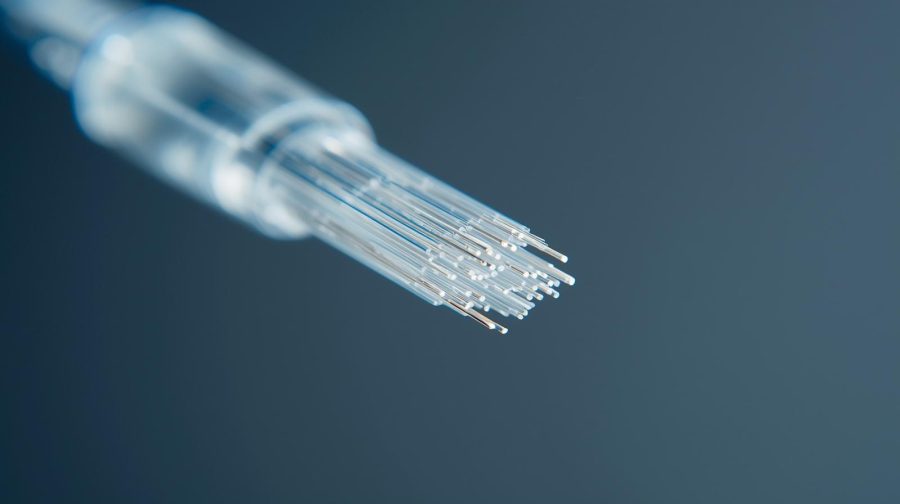
Fiber optic cables look like copper cables at first glance, but that’s where the comparison ends. Although both types of cables are carried on reels and often run side by side through data centers or office ceilings, the glass fibers at the core are considerably more sensitive than metal conductors. They tolerate less stress and are more vulnerable to outside influences. Careful handling and extra attention to tensile strength and environmental factors are therefore essential.
Prevent bottlenecks
A common pitfall is cutting cables too short. Unlike copper, fiber optic cables cannot be easily extended or connected together; connectors require precise and careful preparation. Those who plan too tightly or save on margin run the risk that cables end up being just too short. Therefore, consider the following when planning cable routes:
- Measure the total cable length accurately, including bends, elevations and the required clearance at both ends.
- Provide extra length for route adjustments, future moves and unexpected obstacles.
The bending dilemma: respect the minimum bending radius
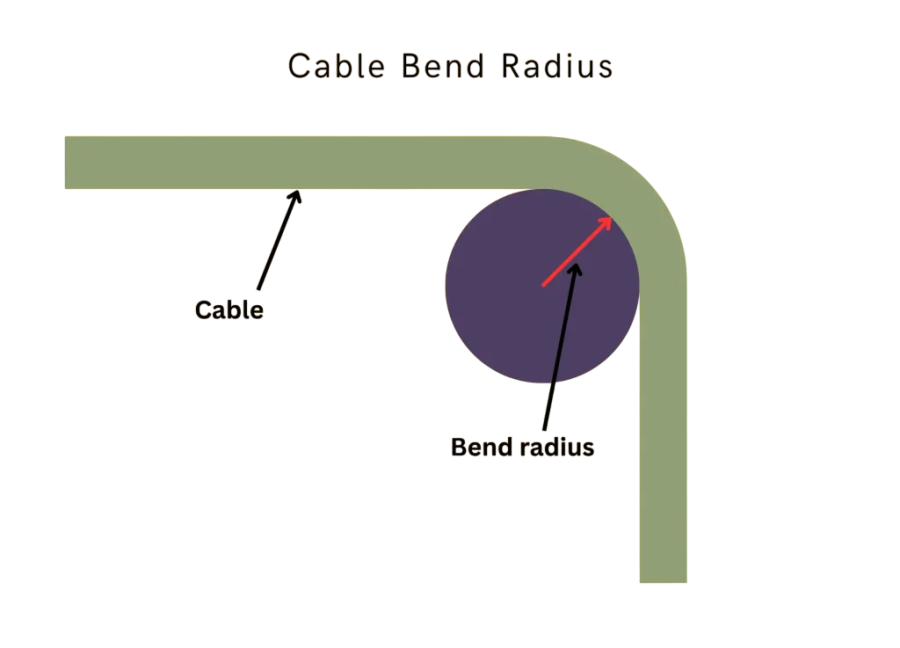
Glass fibers have a minimum bending radius. When this is exceeded, the glass can be damaged or signal transmission can deteriorate. Even so-called “bend-insensitive” fibers are not completely immune to damage when bends are too sharp.
- Use wide bends and gradual cable routing.
- Avoid sharp corners, kinks and compression of cables both during and after installation.
Avoid twisting
Unlike copper, fiber optic cable is susceptible to twisting. The internal glass fibers are fragile and can be damaged when twisted, which can lead to invisible but costly performance problems.
To minimize risk:
- Use a swivel coupler when pulling cables, especially when the pipe also contains other cables.
- Avoid kinks by unrolling the cable in an eight-shape for longer lengths.
Avoid improvised support
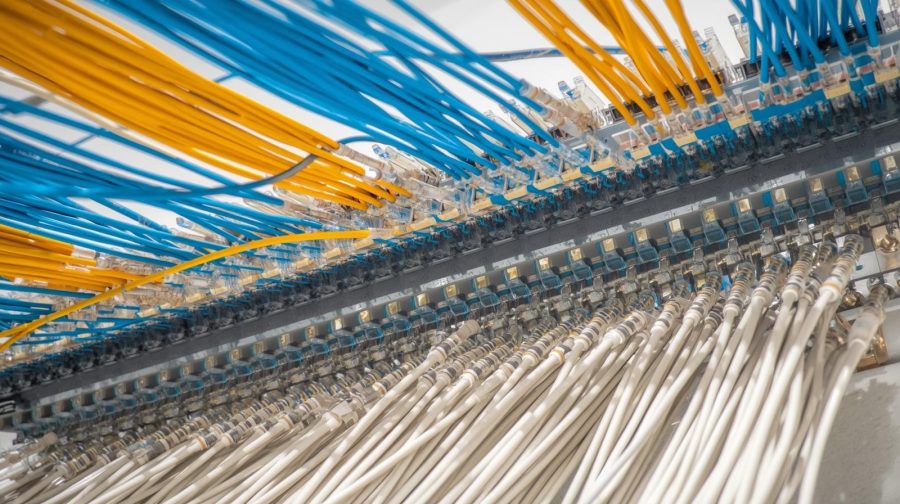
Improper cable routing, such as the use of D-rings, cable ties or overstuffed cable trays, can be detrimental to fiber optic cables. It is important to properly support fiber optics and prevent them from being compressed or under heavier cables.
- Use cable carriers and supports that distribute weight evenly.
- Keep fiber optic cables separate from power cables and avoid unnecessary mechanical strain.
Take safety seriously
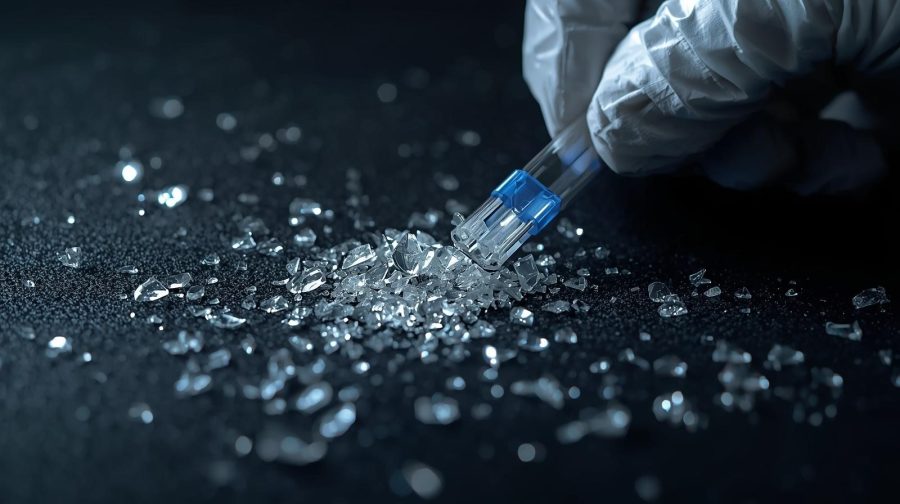
In addition to performance requirements, fiberglass installations present specific safety hazards. When cutting or welding fiberglass, small glass chips can be released that can cause injury. Never touch these and always work with proper personal protective equipment, such as eye protection.
Additional important points of interest
Bending specifications and practical examples
During installation, a minimum bending radius of 20× the cable diameter at tension and 10× the diameter after installation must always be maintained.
For a fiber with an outer diameter of 8 mm, this means that the bends should not be smaller than a radius of 160 mm during installation and not smaller than 80 mm after installation. Exceeding these limits can lead to microfractures, permanent attenuation and reduced cable life.
Bend-insensitive fibers offer slightly more flexibility, but the manufacturer’s specifications always remain leading.
Cable routing, environment and standardization
Careful route planning is not just about distance, but also environmental factors such as humidity, temperature and available cable trays, which affect fiber installation and lifetime.
Adhering to relevant standards (such as TIA-568 or ISO 11801) and consulting data sheets is essential for both compliance and retention of warranty.
In data centers and busy office environments, bend-insensitive fibers such as G.657A2 or G.657B3 can mitigate future problems, but each installation requires an individual review of technical documentation for optimal results.
Long-term reliability through preventive measures
The way cables are handled, cleaned and stored directly affects long-term reliability. Always follow bending radius guidelines while working on site.
After installation, conduct inspections and carefully record the work.
Fiber optic networks require strict compliance with regulations for bending, cleanliness and support at every stage.
Additional insights into safety and performance
Do not install fiber optic cables under extreme conditions without prior consultation with the manufacturer, as low temperatures can make the cable more brittle.
Remove fiberglass residue immediately and dispose of it in designated containers.
Although electrical failures in fiber optics are rare, it is important to protect cables from physical damage by logically separating cable trays and carefully arranging them.
Handy tools for the installation!
Fiber optic cables available by the meter!
The crux of the matter
Fiber optic technology offers great advantages, but requires careful handling due to the specific fragility of the material. Treating cables with proper care, following recommended practices for installation and maintaining strict hygiene will ensure long-term network reliability.